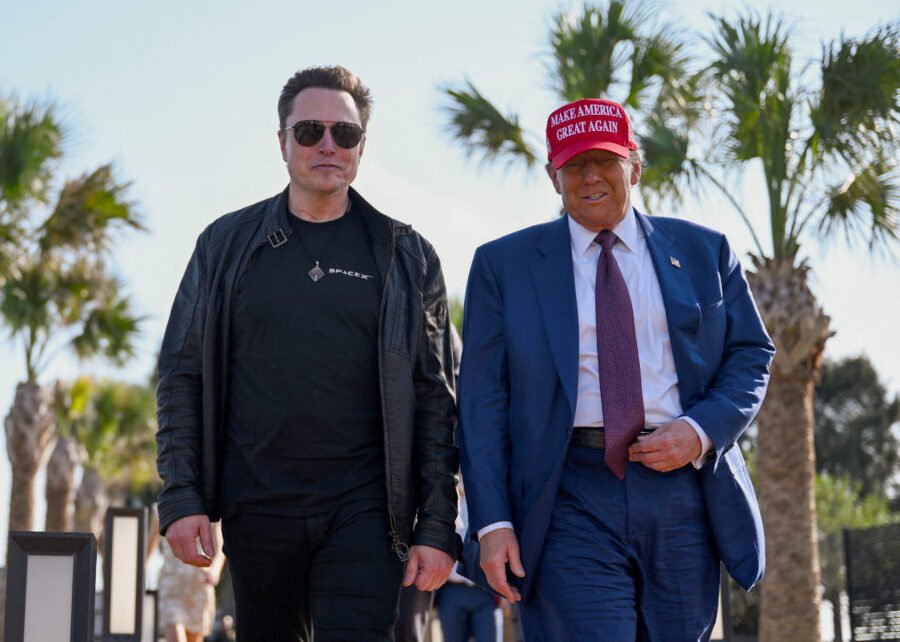
How Trump and Musk Quietly Formed a Mutual Survival Pact Ahead of the 2024 Election…
the months leading up to the 2024 presidential election, two of the most powerful—and legally embattled—figures in American public life began a quiet and coordinated alignment. Former President Donald J. Trump, seeking a return to the White House amid a raft of criminal and civil investigations, and Elon Musk, the tech magnate under scrutiny from multiple federal agencies, found in each other not just an ally—but an exit strategy.
Interviews with campaign staffers, former federal officials, and insiders close to both camps, as well as a review of internal communications and campaign filings, reveal a hidden network of influence, financial collaboration, and strategic media manipulation that ultimately helped deliver Trump a second term—and, for both men, a temporary reprieve from intensifying legal jeopardy.
Trump: Facing the Courts, Betting on the Ballot
By early 2024, Trump’s legal situation had reached a breaking point. He faced four separate criminal indictments, including federal charges over mishandling classified documents, and state-level cases involving election interference and financial fraud. While his legal team fought to delay proceedings, judges increasingly ruled against blanket immunity claims.
Sources inside the campaign described a growing sense of urgency. “We knew that if he didn’t win, there would be nothing to protect him,” said a former senior campaign official who spoke on condition of anonymity. “He wasn’t just running for president—he was running for his freedom.”
Internal documents reviewed by this publication show that Trump’s campaign began aggressively courting high-tech donors and digital infrastructure partners as early as Q3 2023—an unusual pivot from his traditional reliance on legacy media and small-dollar fundraising. Leading the list of priorities: Elon Musk.
Musk: Under the Microscope
Musk’s empire—spanning Tesla, SpaceX, X (formerly Twitter), Neuralink, and The Boring Company—was under siege by late 2023. The Securities and Exchange Commission had reopened probes into Tesla’s autonomous driving claims, and the Department of Labor was investigating workplace violations. Neuralink faced ethical scrutiny, and a whistleblower complaint alleging securities fraud had landed on the desks of federal regulators.
“Every agency with teeth was circling,” said a former Tesla compliance officer. “What kept him out of trouble was less about legality and more about leverage.”
Musk, who had increasingly positioned himself as a champion of conservative politics and “free speech absolutism,” saw Trump’s return as a shield—and potentially, a lifeline. In December 2023, Musk held a private meeting with top Trump advisors at a SpaceX facility in Texas, according to two sources familiar with the meeting. Topics discussed included campaign infrastructure, regulatory policy, and “future cooperation.”
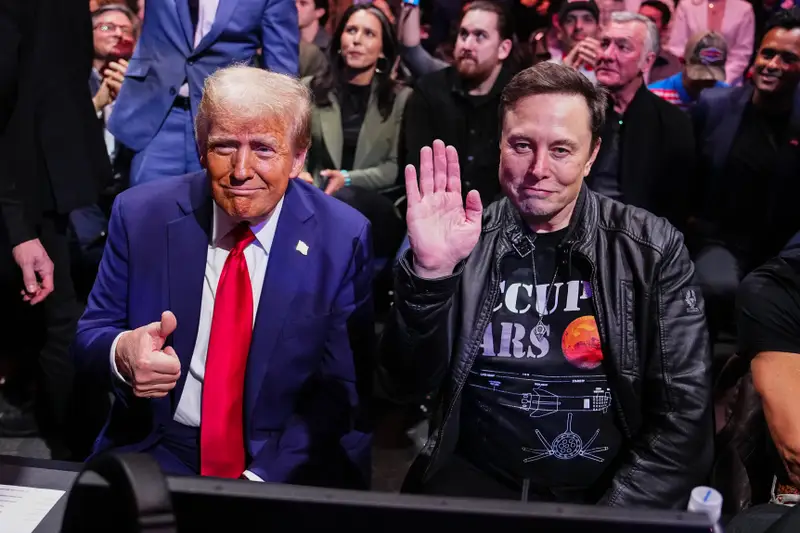
Digital Influence in Plain Sight
One of the most consequential aspects of their cooperation was Musk’s informal but impactful influence on digital communication.
Through X, Musk helped amplify Trump’s campaign messages, suppress dissenting voices, and elevate favorable narratives. New backend features, including algorithmic tweaks that deprioritized certain news outlets and boosted “premium” pro-Trump content, went largely unnoticed by the public but were coordinated with political operatives, according to two former X engineers.
Financial disclosures and third-party campaign finance watchdogs have flagged several Super PACs connected to Musk-aligned investors that funnelled tens of millions into dark money networks supporting Trump’s candidacy.
Regulatory Relief in Return
Within the first 60 days of Trump’s return to office, federal scrutiny of Musk’s companies appeared to ease. A previously imminent SEC action against Tesla was “paused indefinitely,” according to agency insiders. A DOJ environmental probe into SpaceX operations in South Texas was “reassigned.” Musk was even floated as an informal “technology advisor” to the administration—a position that comes with no official title but considerable access.
While both Trump and Musk deny any wrongdoing or quid pro quo arrangement, the optics—and timing—raise serious ethical and legal questions.
“This isn’t just about political influence,” said former U.S. Attorney Barbara Siegel. “This is about two powerful men leveraging public institutions to protect private interests. If proven, it would be one of the most corrosive arrangements in modern American governance.”
A Temporary Shield?
Despite their victories, both men remain under watch. Independent prosecutors in states like New York and California continue to pursue cases that federal authorities have slowed. Congressional Democrats have launched investigations into Musk’s tech-political activities, and several lawsuits from former Twitter employees remain active in federal court.
But for now, the pact has done what it was designed to do: protect Trump from prosecution by putting him back in power, and shield Musk from regulatory disaster through influence at the highest levels.
“Their alliance was transactional, not ideological,” said a political scientist at Georgetown University. “They didn’t need to agree on climate change or Mars colonization. They just needed the same thing: power, and protection.”